
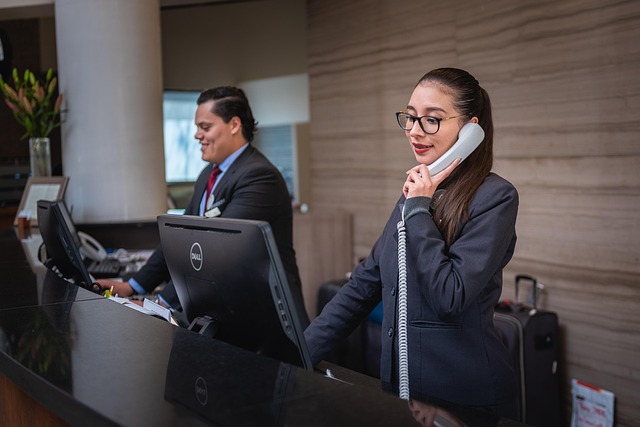
Retail & Hospitality Ethics: Preventing Workplace Harassment and Financial Fraud
If you own or manage a retail store, restaurant, or hotel, you don’t need anyone to tell you how many moving parts you’re juggling every day. Customer service, staffing challenges, inventory, and compliance, the list is long. But two issues that can derail everything fast are workplace harassment and financial fraud.
Both are unfortunately common in retail and hospitality settings. And both are risks that, if left unchecked, can cost your business money, reputation, and employee trust. And it’s the ethics hotline, with anonymous reporting and culture-building benefits, that can make all the difference.
The Everyday Risks You Can’t Afford to Ignore
Harassment and fraud don’t always look dramatic from the start.
- Workplace harassment might begin as inappropriate jokes or unwelcome comments that no one feels comfortable reporting. Over time, it escalates, and by the time HR hears about it, the damage is done.
- Financial fraud can be as simple as an employee skimming cash from a register, padding timesheets, or misusing company credit cards. In restaurants and hotels, it can also involve inventory “shrinkage” or kickbacks from vendors.
The truth is, many frontline employees don’t speak up because they’re afraid of retaliation or they just don’t think their concern will be taken seriously.
Why an Ethics Hotline Works in These Environments
This is where an ethics hotline earns its keep. For industries like retail and hospitality, where turnover is high and day-to-day oversight can be inconsistent, an ethics hotline provides something essential. It’s a safe and confidential way for your employees to raise their hand when something’s wrong.
Key benefits include:
- Anonymous reporting: Employees can share concerns without putting their jobs on the line.
- 24/7 accessibility: Issues can be reported after hours, when many incidents actually occur.
- Early intervention: Managers learn about problems before they explode into lawsuits or PR disasters.
- Consistent documentation: Every report is logged and routed to the appropriate department for review.
More Than Risk Management
Yes, hotlines help reduce legal and financial exposure. (That alone makes them worth implementing.) But they also send a strong message to your workforce. We take your concerns seriously. And when employees believe leadership cares about their safety and integrity, they’re more likely to stay engaged, loyal, and productive.
An ethics hotline also complements existing compliance tools, which is music to your HR team’s ears. It’s an added layer of risk protection, and one that helps you uncover issues earlier and resolve them faster.
Putting It Into Practice
If you’re thinking about adding a hotline to your retail or hospitality operation, keep these steps in mind:
- Promote it clearly: Post signs in break rooms, include it in onboarding, and remind employees regularly.
- Train your managers: They need to understand how the system works and how to respond when a report comes in.
- Act on the data: A hotline is only as strong as the follow-up. Close the loop and address concerns consistently.
Ethics Hotlines with Ethical Advocate
Preventing harassment and fraud means building a workplace culture that protects your people, your customers, and your bottom line. In retail and hospitality, where risks are real and margins of error can be razor-thin, an ethics hotline is a practical, powerful way to reduce exposure and strengthen trust.
When your employees know they have a safe place to speak up, you can reduce risk and raise the bar for your entire business. When you’re ready to explore more, contact our team at Ethical Advocate to get started.
Image by Rodrigo Salomón Cañas from Pixabay